Slow page load speed
During website development, you often encounter this situation for various reasons. Mostly, it’s due to using resources that are too large and not compressed, thus affecting page load speed. To address this, several cost-effective optimization solutions should be considered, including:
- Image Compression: Use various tools like TinyPNG or JPEG Optimizer to easily compress images without affecting their quality.
- Image Format: Consider using Webp format instead of JPEG or PNG to optimize the system’s upload process, resulting in a smoother experience.
- Image Size: Ensure the optimal size is used, suitable for display on the website to avoid slowing down loading speed.
Lack of Compatibility
This error will affect the user experience on different devices and operating systems. For example, the experience on a phone will have an incompatible screen size, causing difficulties.
Cause
Sinisters from suboptimal design, limiting display across all types of devices. This leads to frustration during the user experience and a significant loss of participating members.
Solution
There are many different solutions, requiring careful research to optimize the process:

- Responsive Design: Use CSS techniques to optimize the interface across various device sizes easily.
- Testing: Continuously test different devices to ensure consistency and optimize performance.
Difficult-to-Read Content
This stems from the use of complex fonts that are unsuitable for customer needs. This makes it difficult to understand the website content, affecting conversion rates. To fix this, consider using fonts like Arial, Helvetica, or Open Sans with sufficiently large sizes for easy readability.
Poor SEO Optimization
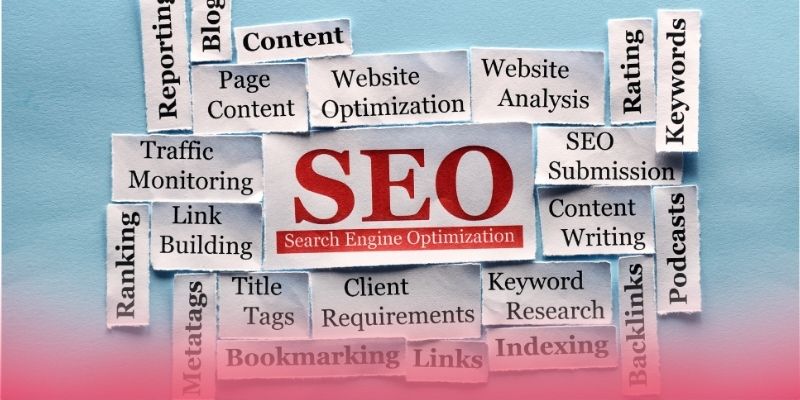
A significant error affecting the effectiveness of product sales for various brands. The cause of this issue stems from many different factors that do not reflect the value of the website. Some common solutions used to optimize the website design journey include:
- Using appropriate Meta tags: Use main keywords that lead to the website and a suitable content description so that the algorithm can easily recognize it. This will easily increase effectiveness by 80% and achieve top search results on Google.
- Catchy description: To attract users, use an attractive Meta Description to stimulate curiosity and easily increase click-through rates.
- Keyword optimization: Use various tools such as Google Keyword Planner, Ahrefs, and SEMrush to find keywords with high search volume and optimize them. In addition, use them naturally in the title, content, description, and heading tags.
Lack of Consistency in Website Design
During the design process, using a variety of different styles directly impacts the customer experience. This causes clutter, frustration, and makes it difficult to retain customers and encourage them to use the service and purchase products. Optimal methods to help retain 90% of customers and increase conversion rates by at least 40% include:

- Defining the Style: A main design style must be chosen, including colors, fonts, and images, that best suit the brand.
- Appropriate Colors: Consider choosing a harmonious color palette that matches the message and target audience the platform aims for. This is a crucial detail that directly impacts the experience of the entire community.
- Easy-to-Read Fonts: The fonts used should be as minimalist as possible, suitable for easy reading. In particular, everything needs to be used consistently to avoid clutter and frustration for customers.
- Style and structure: Carefully study the design of buttons, information blocks, and layout to create consistency.
Conclusion
After fixing these important website design errors, the website will become more complete. It is estimated that these factors will affect 80% of the customer retention rate, keeping them on the site for more than 5 minutes. This will significantly increase the conversion rate and ensure the platform’s revenue.